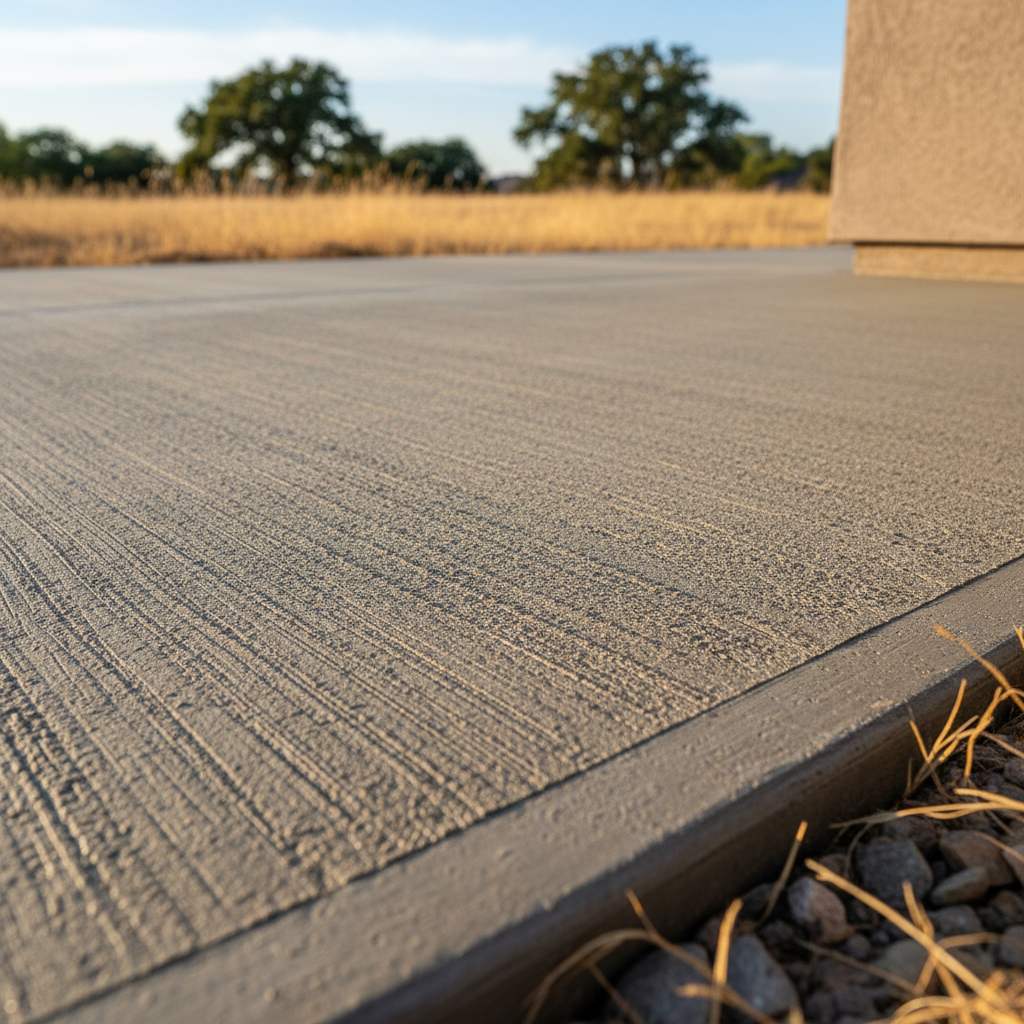
Thinking About New Concrete Flatwork? Read This First.
You're probably staring at that cracked patio or uneven walkway, thinking, "I could totally handle that myself." And hey, maybe you can! But let's be honest, concrete isn't like painting a wall. It's heavy, it sets up fast, and if you mess it up? Fixing it is a real headache. As someone who's poured a whole lot of concrete around Tracy, I can tell you there's a big difference between a small patch job and pouring a brand new slab.
Before You Even Think About Mixing
First things first, what exactly are you trying to build? A small, decorative stepping stone? Go for it. A 10x10 patio? That's where things get a little complicated. Before you buy even one bag of mix, you need to think about a few key things:
- Permits: Believe it or not, some bigger concrete projects — especially driveways or anything that changes how water drains — might need a permit from the city. You really don't want to pour a beautiful new driveway only to have to tear it out because you didn't get the go-ahead.
- Excavation: You can't just pour concrete over grass. You'll have to dig out the area. For a patio, that means 4-6 inches deep, plus another 4-6 inches for a gravel base. That's a ton of dirt, and it's heavy. Do you even have a place to put it all?
- Drainage: This is a huge deal, especially with our clay soils here in Tracy. You need to make sure water flows away from your house, not toward it. A proper slope is absolutely critical. We're talking 1/8 to 1/4 inch per foot. If you don't get this right, you'll end up with standing water, or worse, foundation problems down the road.
- Utilities: Call 811 before you dig! Seriously, do it. You definitely don't want to hit a gas line or an electrical conduit. It's free, and it could save your life or a whole lot of money.
When You Can DIY (Maybe)
Okay, so you've thought about all that. Here's where I'd say a homeowner with some grit and basic tools might be able to handle it:
- Small repair patches: If it's just a little crack or a spalled surface, you can grab repair kits. Just follow the instructions carefully.
- Stepping stones or small, decorative pads: If it's something you can mix in a wheelbarrow and pour into a form that's, say, smaller than 2x2 feet, you could probably manage.
- Resurfacing: If your concrete is structurally sound but looks crummy, there are resurfacing products that can give it a fresh look. This is more like painting than pouring, really.
For these smaller jobs, you'll need a shovel, a wheelbarrow, a trowel, a level, and probably some basic forms. You can rent a small mixer if you're doing more than a couple of bags.
When to Call Apex Concrete (Seriously)
Look, I'm all for saving a buck, but some jobs are just too big or too tricky for a DIYer. This is when you call a professional like us at Apex Concrete. Here's when:
- Any slab over 50-75 square feet: Once you get past a small pad, you're dealing with a lot of concrete. A standard concrete truck holds 9-10 cubic yards. That's thousands of pounds. You just can't mix that in a wheelbarrow.
- Driveways, patios, foundations: These need proper sub-grade preparation, rebar or wire mesh reinforcement, and precise leveling and finishing. If you don't get the sub-grade right, your concrete will crack. If you don't finish it fast enough, it'll set before you're even done.
- Sloping for drainage: As I mentioned, this is super important. Getting the right slope without professional tools and experience is incredibly difficult.
- Stamped or decorative concrete: This is an art form, honestly. It requires specialized tools, perfect timing, and expertise to get that beautiful, natural stone look. You're not going to achieve that with a rental trowel.
- Any structural concrete: If it's holding up part of your house or a retaining wall, do not mess around.
When you hire a pro, you're not just paying for the concrete; you're paying for the experience, the right equipment, and the know-how to get it done right the first time. We've got the laser levels, the power screeds, and the crew to handle large pours efficiently. We also know how to deal with things like the summer heat in Tracy, which can make concrete set up super fast, or how to get good compaction on our specific soil types.
During the Pour (If You're DIYing)
If you've decided to tackle a smaller project, here are a few pointers:
- Forms are everything: Make them sturdy, level, and square. Use stakes to hold them firmly in place.
- Prepare your base: Compacted gravel is your friend. It helps with drainage and prevents settling.
- Have all your tools ready: Once that concrete starts flowing, you're on the clock. You'll need screeds, floats, edgers, and groovers.
- Work fast and systematically: Pour, spread, screed, float, then finish. Don't take a coffee break in the middle.
- Wear protection: Gloves, long sleeves, and eye protection are a must. Concrete can burn your skin.
After the Pour: Curing is Key
This is where a lot of DIYers mess up. Curing is just as important as the pour itself. Concrete doesn't just dry; it cures, which is a chemical process. If it dries too fast, it'll be weak and crack. For at least 7 days, and ideally 28, you need to keep that concrete moist. You can do this by:
- Misting it regularly: Especially in our dry Tracy climate, you'll want to mist it several times a day.
- Covering it with plastic sheeting: This traps moisture.
- Using a curing compound: Professionals often spray these on.
Don't drive on it or put heavy furniture on it for at least a week, and ideally longer for heavy loads. Be patient. Good concrete takes time to gain its full strength.
So, there you have it. Concrete flatwork can be a rewarding project, but it's not for the faint of heart. Know your limits, plan carefully, and don't be afraid to call in the pros when the job calls for it. It'll save you headaches and money in the long run.