How long does concrete flatwork really last around here?
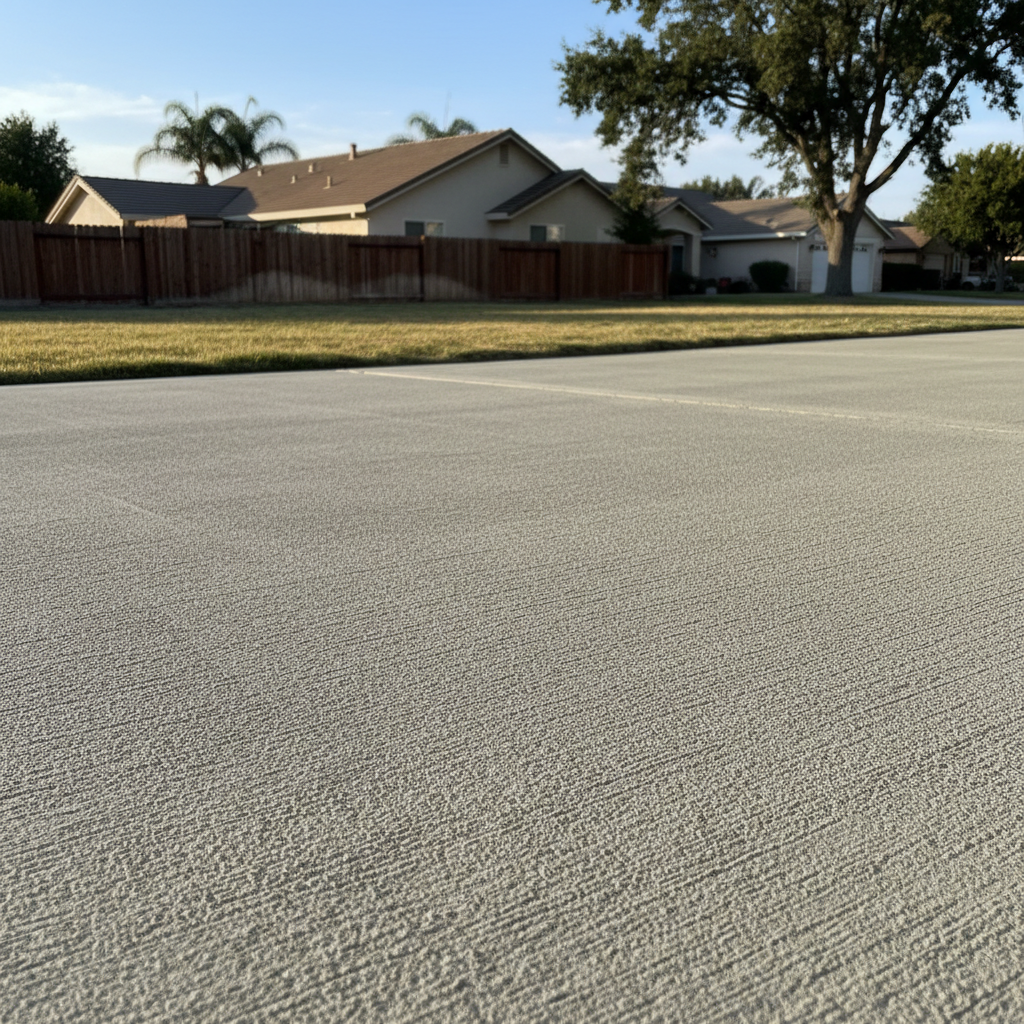
That's a big question, and honestly, there's no single, simple answer. But I'll give it to you straight. A concrete slab that's been installed right – whether it's a driveway, patio, or even just a walkway – should easily hold up for 20 to 30 years, sometimes even longer. The trick, though, is that phrase: 'installed right.' This means the crew prepared the ground underneath properly, used the right concrete mix for our climate, and let it cure correctly. If you skimp on any of those steps, you're looking at a much shorter lifespan. I've personally seen driveways less than 10 years old already cracking and spalling because someone tried to save a few bucks upfront. It's a long-term investment, so don't cut corners on the foundation, literally.
What's the deal with all the different concrete mixes? Do I need to care?
Oh, you absolutely need to care! Or, at the very least, your contractor should. Think of mixing concrete like baking a cake – you wouldn't just throw flour and water together and expect a masterpiece, would you? Different concrete mixes are made for specific jobs and strengths. For flatwork like driveways or patios, we usually talk about mix strength measured in PSI (pounds per square inch). Around Tracy, for residential flatwork that cars will drive on, I typically recommend a 3500 PSI mix. For patios or walkways, where you're only walking, 3000 PSI might be okay, but I often still lean towards 3500 for that extra bit of durability. Then there are additives, like air entrainment, which helps concrete stand up to freeze-thaw cycles – not as critical here as, say, in Tahoe, but still good for durability. And don't forget fibers for crack resistance. A good contractor will know exactly what mix is best for your specific project and the local conditions. Don't just let them pour whatever's cheapest, okay?
Why do I see cracks in new concrete? Is that normal?
Okay, this is probably the most common question I get, and it causes a lot of folks a lot of worry. The short answer is: yes, some cracking is normal, especially those tiny hairline cracks. Concrete shrinks as it dries and cures, and that shrinkage creates stress. We try to control where these cracks show up by putting in control joints – those grooves you see in sidewalks and driveways. These joints are designed to be the weakest spots, so the concrete cracks there instead of randomly across the whole slab. Now, if you're seeing wide, uneven cracks, or cracks that are lifting or sinking, then you've definitely got a problem. But small, straight cracks within the control joints? That's just concrete doing what concrete does. It's not a sign of failure if it's managed correctly.
How much slope do you really need for drainage?
Drainage is huge, especially with our occasional heavy rains here in the Central Valley. You really don't want water pooling up against your house or creating big puddles on your patio. The general rule of thumb for concrete flatwork is a minimum slope of 1/8 inch per foot. That means for every foot the concrete extends, it should drop 1/8 of an inch. So, if you've got a 10-foot wide patio, it needs to drop at least 1 and 1/4 inches from one side to the other. Sometimes, depending on your yard's layout or if you're dealing with a particularly flat lot, we might go a bit steeper, say 1/4 inch per foot, just to be safe. It's all about making sure that water has a clear path to run off and away from your home's foundation. Ignoring the slope is a recipe for standing water and potential foundation issues down the road.
What's the difference between stamped concrete and regular concrete, besides the look?
The main difference is definitely how it looks, but there are some practical things to consider too. Stamped concrete is basically regular concrete that gets a pattern and texture pressed into it while it's still wet. It can mimic stone, brick, wood, or other materials. After it cures, we usually color and seal it. Functionally, it's still concrete, so it has similar strength and durability. However, stamped concrete can sometimes be a bit more slippery when wet, depending on the pattern and the sealer we use. Also, if you ever need to repair a section of stamped concrete, it can be tougher to match the pattern and color perfectly compared to a plain slab. It's a fantastic way to add curb appeal and value, but it does come with a slightly higher upfront cost and potentially a bit more maintenance with resealing to keep it looking sharp. Apex Concrete does a lot of stamped work, and honestly, it really transforms a space.
Can I put concrete over my old, cracked driveway?
Short answer: usually not a good idea. Long answer: it really depends on how bad the old driveway is, but most of the time, I'd say no. If you pour new concrete directly over old, cracked concrete, those existing cracks are very likely to 'reflect' right through the new slab. It's like putting a fresh coat of paint over peeling paint – it might look good for a minute, but the old problems will show through eventually. Plus, you're adding a lot of weight, and if the original sub-base wasn't prepared well, you're just piling more problems on top. The best practice is almost always to remove the old concrete entirely, prepare the sub-base properly, and then pour fresh concrete. It's more work upfront, sure, but it saves you headaches and money in the long run. There are some exceptions for very thin overlays on structurally sound slabs, but for a full driveway replacement, removal is usually the way to go.
What kind of maintenance does concrete flatwork need?
Concrete is pretty low maintenance, which is one of its big selling points. But 'low' doesn't mean 'no.' For driveways, patios, and walkways, the biggest thing is just keeping it clean. Sweep off leaves and dirt regularly, especially if you have trees dropping sap or berries. Pressure washing once a year or so can do wonders to remove grime and mildew, but be careful not to use too high a pressure setting or hold the nozzle too close, or you could actually damage the surface. If you get any oil or grease spills, try to clean them up quickly before they soak in. For decorative concrete, like stamped or colored finishes, you'll want to reseal it every 2-5 years, depending on traffic and sun exposure. That sealer protects the color and surface. Beyond that, just keep an eye out for any new cracks or changes, and address them early before they become bigger issues. It's not rocket science, just a little bit of common sense care.