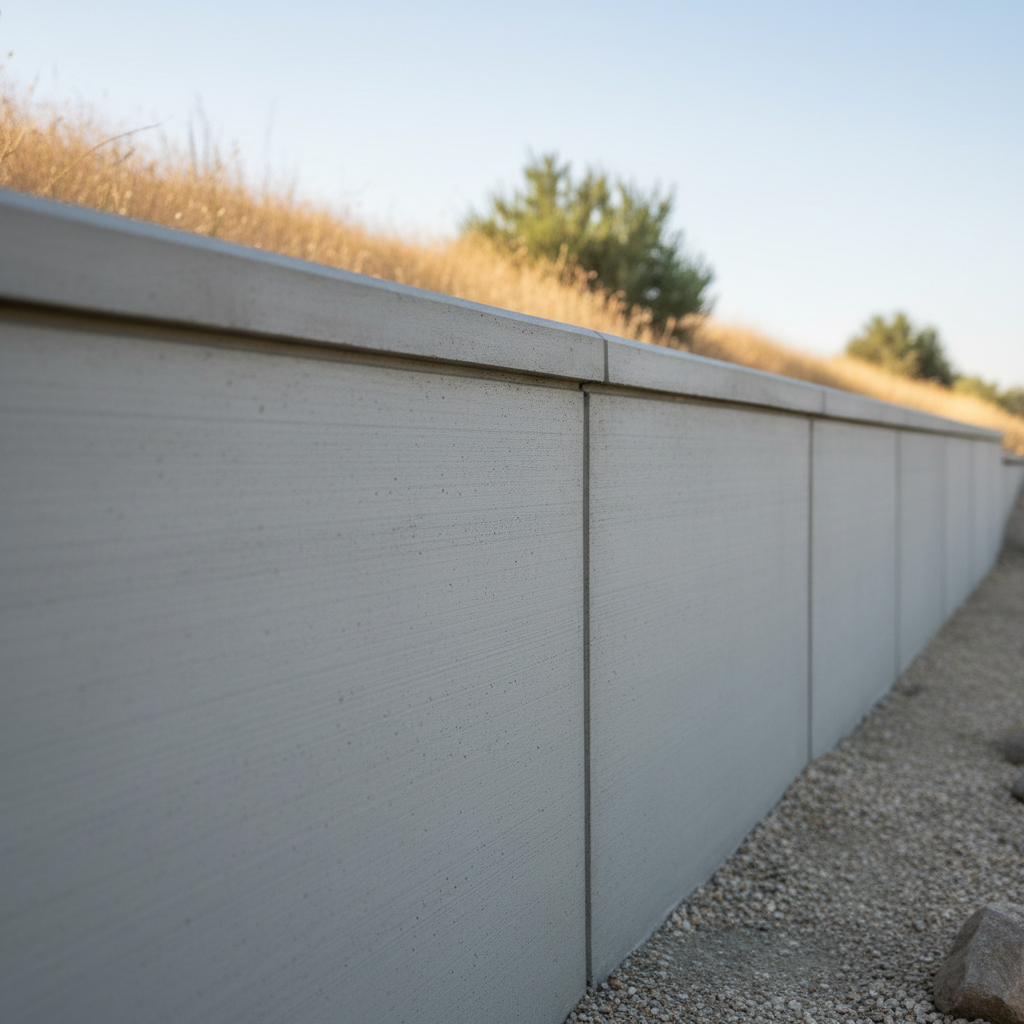
Do I even need a retaining wall? What's the point?
That's a really good question, and honestly, it's the first thing we try to figure out when I chat with a homeowner. You'll need a retaining wall when your ground levels are just too steep to hold themselves up. Think about it: if your backyard slopes down to your neighbor's place, or you're dreaming of a flat area where there's currently a hill, you'll need something solid to keep that soil in check. Without it, you're looking at erosion, soil shifting, and potentially even structural problems for anything built on or near that slope. Here in Tracy, especially with some of those older homes in spots like the South Side, or newer developments where they've really reshaped the land, you see a lot of properties that really benefit from a well-built retaining wall. It's not just about how it looks; it's about managing your land and protecting your biggest investment.
Why concrete? Aren't there cheaper options?
You're absolutely right, there are other choices out there. You've got timber, those segmental block systems, even natural stone. But when you're talking about how long something lasts, how strong it is, and its overall lifespan, concrete is the clear winner, especially for anything substantial. Timber walls, for instance, might look nice for a while, but they rot. It's just what they do. Segmental blocks can work well for smaller, more decorative walls, but for anything big, they often need a lot more engineering and can still move around over time. Concrete, when it's designed and poured correctly, is basically forever. It won't rot, it won't rust, and it can handle huge amounts of soil pressure. Sure, it's a bigger cost upfront, but you're really buying peace of mind and a wall that will outlast pretty much everything else. Here at Apex Concrete, we always suggest concrete for any serious retaining needs because we know it'll truly stand the test of time.
How much does a concrete retaining wall cost? Give me a ballpark.
Man, I wish I could just give you one number, but it's honestly not that simple. So many things play into it. The biggest factors are, of course, the wall's height and length. But then you also have to think about site access – can we easily get our equipment in, or is it a really tight squeeze? What's the soil like? If we hit a bunch of rock or really unstable ground, well, that changes things. Drainage is also huge; a good retaining wall needs proper drainage behind it, and that adds to both the materials and labor. Then there's the finish: do you want a plain gray wall, or something fancier like stamped or colored concrete? For a typical residential wall, let's say 4-6 feet high, you're usually looking at anywhere from $75 to $150 per linear foot, sometimes more for really complicated jobs or taller walls. That's a pretty wide range, I know, but it's the honest truth. The only way to get an exact number is to have us come out and take a look at your specific project.
What about permits? Do I need one for a retaining wall?
Absolutely, yes, you almost certainly will need a permit from the City of Tracy. This isn't something you want to try and skip. Generally, any retaining wall over 3-4 feet tall, or any wall that's supporting a structure or a significant slope, requires engineering and a permit. Even smaller walls might need one depending on local rules. The city wants to make sure it's designed correctly and built safely, and for good reason. A failing retaining wall isn't just an eyesore; it can be a serious hazard. We handle the permitting process all the time, working with engineers to get the plans approved. It adds a little bit of time and cost to the project, but it protects you, your property, and your investment. Don't let anyone tell you otherwise; always check with the city's building department.
How long does it take to build one?
Again, it really depends on the size and how complex the job is. For a typical residential concrete retaining wall, once we actually start digging, you're usually looking at anywhere from a week to three weeks. That timeframe includes excavation, setting up forms, pouring the concrete, and letting it cure properly. Keep in mind, that doesn't count the time for planning, engineering, and getting permits, which can add several weeks or even a couple of months before we even break ground. We always give our clients a realistic timeline once we've had a chance to assess the project. We don't rush things, especially with concrete. Proper curing is crucial for strength, and that just takes time. You can't rush quality, can you?
Will my concrete retaining wall crack?
It's a common worry, and here's the honest truth: concrete can, and often does, develop hairline cracks. It's just how the material behaves. As it cures and dries, it shrinks a tiny bit, and that can cause minor surface cracks. Thermal expansion and contraction from Tracy's hot summers and cooler winters can also contribute. The trick is to tell the difference between normal, cosmetic hairline cracks and structural cracks. A well-designed and properly built concrete retaining wall will have control joints placed strategically to encourage cracking along those lines, making them less noticeable and preventing larger, random cracks. We also use rebar and the right concrete mixes to maximize strength and minimize any significant cracking. If you see wide cracks, or cracks that are growing, that's when you need to call us to come take a look. But small, spiderweb-like cracks? That's usually just concrete being concrete.
What kind of maintenance does a concrete retaining wall need?
That's one of the best parts about concrete retaining walls: they're pretty low maintenance. Once it's built right, you really don't have to do much. The main thing is to keep an eye on the drainage. Make sure those weep holes or drainage pipes aren't getting clogged up with dirt or debris. You want water to be able to escape from behind the wall, right? Beyond that, just keep it clean. A good power wash every now and then can get rid of dirt, mildew, or moss. If you have a decorative finish, you might want to re-seal it every few years to protect the color and surface. But you won't be replacing rotten timbers or resetting shifting blocks. That's the real beauty of it.
What if my neighbor's property is involved?
This is where things can get a little tricky, and it's super important to communicate. If the retaining wall is on the property line, or if it's going to affect your neighbor's property in any way (like their drainage or the stability of their land), you absolutely need to talk to them. It's always best to get their agreement in writing, and sometimes, you might even consider splitting the cost if it benefits both of you. You really don't want a property dispute on your hands, trust me. We can build the wall, but we can't mediate neighborly disagreements. Make sure you understand your property lines and discuss everything with your neighbor before construction even begins. It saves a lot of headaches down the road.